Graduate Learning Outcomes
Expected Graduate Results
Graduate Learning Outcomes
In 2014, at the beginning of the implementation of Outcome Based Education, the Industrial Engineering Undergraduate Study Program determined 14 CPLs issued by BKSTI. In the 2017 Curriculum, the Undip PSTI CPL has not undergone any changes, where the CPL refers to the CPL Document and CPL Details (Performance Indicators) from the 2015 BKSTI.
In 2018, PSTI Undip participated in IABEE accreditation and obtained General Accredited which is valid until 2024. Evaluation in the accreditation process revealed the need to continue to improve and increase understanding regarding Outcome Based Education. Several joint workshop sessions with PII-IABEE (2020) and the Engineering Education Center UTM (2021-2022) organized by the Faculty of Engineering Undip were attended to sharpen the understanding and implementation of OBE at PSTI Undip.
In the 2019-2020 round, ABET released the Criteria for Accrediting Engineering Programs which explains the reduction in the number of Student Outcomes from 11 (a-k) abilities to 7 (1-7) abilities. PSTI Undip summarizes the CPL from 14 pieces (1-14) to 8 pieces (A-H). In 2022, BKSTI will release the Industrial Engineering Core curriculum with 10 CPLs.
| CPL 2017 | BKSTI | IABEE | ABET | CPL 2020 |
|---|---|---|---|---|
| 1. Mastering theoretical concepts of natural science, applications of engineering mathematics; engineering principles (engineering fundamentals), engineering science and engineering design required for analysis and design of integrated systems | CPL-1. Ability to apply knowledge of mathematics, natural and/or materials science, information technology and engineering to gain a thorough understanding of industrial engineering principles | a. The ability to apply knowledge of mathematics, life and/or materials sciences, information technology, and engineering to develop a complete understanding of engineering principles | 1. An ability to identify, formulate, and solve complex engineering problems by applying principles of engineering, science, and mathematics | A. Able to solve complex engineering problems in the field of industrial engineering by applying engineering, mathematics and science principles |
| 2. Able to apply mathematics, science and engineering principles to solve complex engineering problems in integrated systems (including people, materials, equipment, energy and information) | ||||
| 3. Able to identify, formulate and analyze complex engineering problems in integrated systems based on analytical, computational or experimental approaches | CPL-4. Ability to identify, formulate, analyze and resolve complex problems in the field of industrial engineering |
d. Ability to identify, formulate, analyze and solve complex engineering problems | ||
| 5. Mastering the principles and techniques of integrated system design using a systems approach | CPL-5. Ability to apply modern engineering methods, skills and equipment required in industrial engineering practice | e. The ability to apply advanced engineering methods, skills, and tools required for engineering practice | 2. An ability to apply engineering design to produce solutions that meet specified needs with consideration of public health, safety, and welfare, as well as global, cultural, social, environmental, and economic factors | B. Able to apply models, frameworks, engineering methods and tools as well as the latest technology required for tasks in the field of industrial engineering |
| 8. Mastering knowledge about communication techniques and the latest and most recent technological developments | ||||
| 9. Mastering the latest principles and issues in economics, social and ecology in general | ||||
| 10. Able to select resources and utilize appropriate information and computing technology-based engineering design and analysis tools to carry out engineering activities | ||||
| 6. Able to design integrated systems according to applicable technical, safety and environmental health standards by considering aspects of performance and reliability, ease of implementation and sustainability, paying attention to economic, social and cultural factors (including limited resources) | CPL-2. Ability to design integrated systems that meet the required standards and realistic multi-aspect constraints (e.g. technical, legal, economic, environmental, social, political, health and safety, sustainability), as well as involving various stakeholders, and identifying and/ or utilize the potential of local and national resources with a global outlook in the field of industrial engineering | b. The ability to design components, systems, and/or processes to meet specific needs, while facing realistic constraints such as legal, economic, environmental, socio-political, health and safety, and sustainability, as well as considering and/or utilizing resource potential local and national in a global perspective | C. Able to design an integrated system that meets applicable standards, considers various stakeholder interests and pays attention to various constraints and potential resources from a global perspective | |
| 4. Able to formulate solutions to complex engineering problems in integrated systems by taking into account factors (including limited resources) economic, public health and safety, cultural, social and environmental (environmental considerations) | CPL-3. Ability to design and conduct laboratory and/or field experiments and analyze and translate data to support industrial engineering decision making processes | c. The ability to design and carry out experiments in the laboratory and/or field, as well as analyze and interpret data to strengthen engineering reasoning power | 6. An ability to develop and conduct appropriate experimentation, analyze and interpret data, and use engineering judgment to draw conclusions | D. Able to develop and carry out experimental designs along with analysis, data interpretation and information synthesis to support problem solving in the field of industrial engineering |
| 7. Able to research and investigate complex engineering problems in integrated systems using basic engineering principles and by carrying out research, analysis, data interpretation and information synthesis to provide solutions | ||||
| 11. Able to carry out effective written and verbal communication | CPL-6. Ability to communicate verbally and in writing effectively | f. Ability to communicate effectively, both verbally and in writing | 3. An ability to communicate effectively with a range of audience | E. Able to carry out effective written and verbal communication |
| 14. Able to collaborate in a work group | CPL-7. Ability to plan, complete, and evaluate tasks taking into account given constraints CPL-8. Ability to work in a multidisciplinary and multicultural team |
g. The ability to plan, complete, and evaluate tasks within certain constraints h. Ability to work in multidisciplinary and multicultural teams |
5. An ability to function effectively on a team whose members together provide leadership, create a collaborative and inclusive environment, establish goals, plan tasks, and meet objectives | F. Able to work in groups effectively, inclusively, collaboratively to plan, complete and evaluate industrial engineering tasks within certain constraints |
| 12. Understand professional responsibilities and professional ethical aspects | CPL-9. Ability to be responsible to society, accountable, and carry out professional ethics in solving industrial engineering problems. | i. The ability to be accountable and responsible to society, and adhere to professional ethics in solving engineering problems | 4. An ability to recognize ethical and professional responsibilities in engineering situations and make informed judgments, which must consider the impact of engineering solutions in global, economic, environmental, and societal contexts | G. Understand professional responsibilities and professional ethical aspects when solving problems in the field of industrial engineering |
| 13. Able to recognize needs, and manage lifelong self-learning | CPL-10. Ability to engage in lifelong learning, including access to relevant knowledge of current issues | j. The ability to understand the need for lifelong learning, including access to knowledge of relevant contemporary issues | 7. An ability to acquire and apply new knowledge as needed, using appropriate learning strategies | H. Able to recognize needs and manage lifelong self-learning |
To understand the characteristics and benchmarks of the Undip PSTI CPL, criteria from institutions relevant to industrial engineering education (IISE, ABET, BKSTI, IABEE) are used to evaluate the suitability of the Undip PSTI CPL. Apart from that, Undip PSTI CPL is also evaluated whether it meets three learning domains (knowledge, skills, attitudes). Table 1 presents the benchmarking and characteristics of PSTI Undip’s CPL.
Industrial Engineering is officially defined on the IISE website (iise.org) as Industrial and systems engineering is concerned with the design, improvement and installation of integrated systems of people, materials, information, equipment and energy. It draws upon specialized knowledge and skills in the mathematical, physical, and social sciences together with the principles and methods of engineering analysis and design, to specify, predict, and evaluate the results to be obtained from such systems.
Disciplinary criteria for the Industrial Engineering Study Program are stated on the IABEE website (iabee.or.id) as follows: The program shall prepare graduates to be professional in design, improve, and implement integrated systems that include people, materials, equipment, energy and information. To meet these needs, the curriculum must provide adequate knowledge about the application of mathematics, statistics and probabilistic theory as well as analysis and design engineering as well as knowledge with regard to social sciences. The education program should ensure the provision of an integrated system design experiences to students. The curriculum must include in-depth instruction to accomplish the integration of systems using appropriate analytical, computational and experimental practices.
Table 1. Benchmarking and Characteristics of Undip PSTI CPL
| CPL PSTI Undip 2020 | IABEE 2020 | BKSTI 2022 | ABET 2023 | IISE | IABEE Disciplinary Criteria | Knowledge Aspect | Skills Aspect | Attitude Aspect |
| A | a, d | 1, 4 | 1 | xx | xx | xx | xx | x |
| B | e | 5 | 2 | xx | xx | xx | xx | x |
| C | b | 2 | 2 | xx | xx | xx | xx | x |
| D | c | 3 | 6 | xx | xx | xx | xx | x |
| E | f | 6 | 3 | x | x | x | xx | xx |
| F | g | 7 | 5 | x | x | x | xx | xx |
| G | i | 9 | 4 | xx | xx | x | xx | xx |
| H | j | 10 | 7 | x | x | x | xx | xx |
Information:
xx : PSTI CPL is very closely related to definitions, criteria or aspects
x : PSTI CPL is closely related to definitions, criteria or aspects
Based on the explanation above, the Undip PSTI CPL is in line with the CPL and disciplinary criteria of several institutions that are relevant to industrial-technical education and learning domains from the following aspects:
- Object of study. CPL PSTI Undip explained that the object of industrial engineering study is integrated systems.
- The duties of an industrial engineer include designing, improving and installing integrated systems.
- To carry out these tasks, an industrial engineer has and applies knowledge in the fields of mathematics, statistics, physics and social sciences. Apart from that, an industrial engineer has the ability to continuously adapt to a team’s work environment and world developments.
- Apart from having knowledge, an industrial engineer utilizes his skills in analyzing and designing integrated systems by utilizing various resources.
Evaluation of Force CPL
Evaluation of CPL Results Based on Force
Evaluation of CPL Class of 2015 MK Computer Simulation
2019/2020 (Evaluation Report Document)
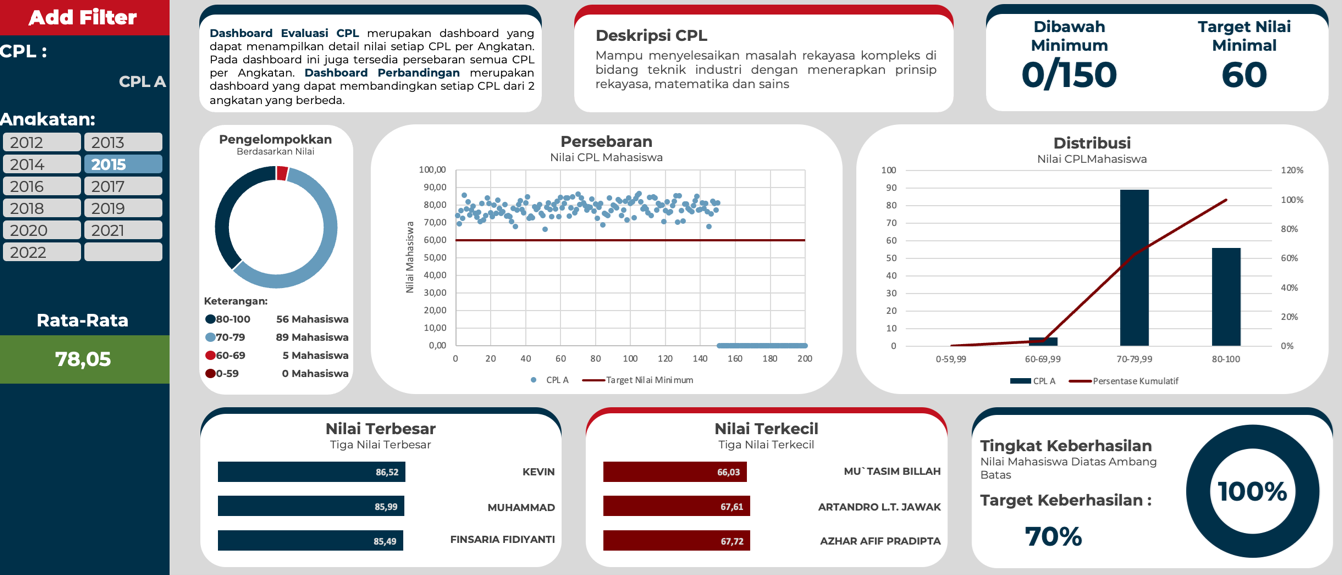
Figure 1. CPL A Class of 2015
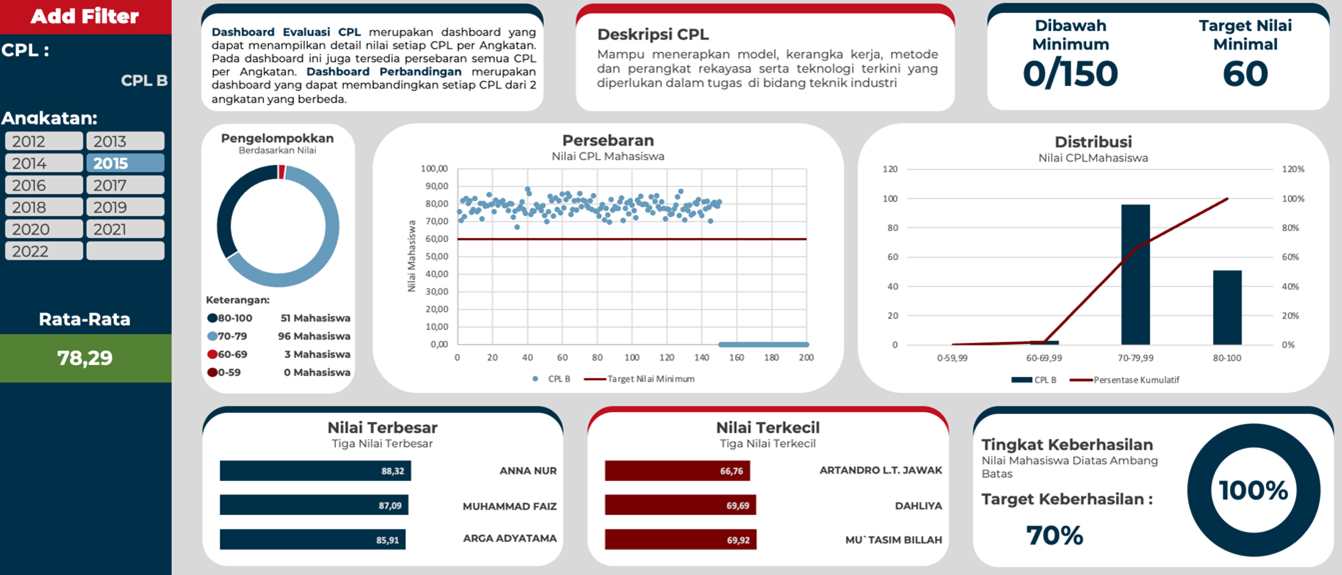
Figure 2. CPL B Class of 2015
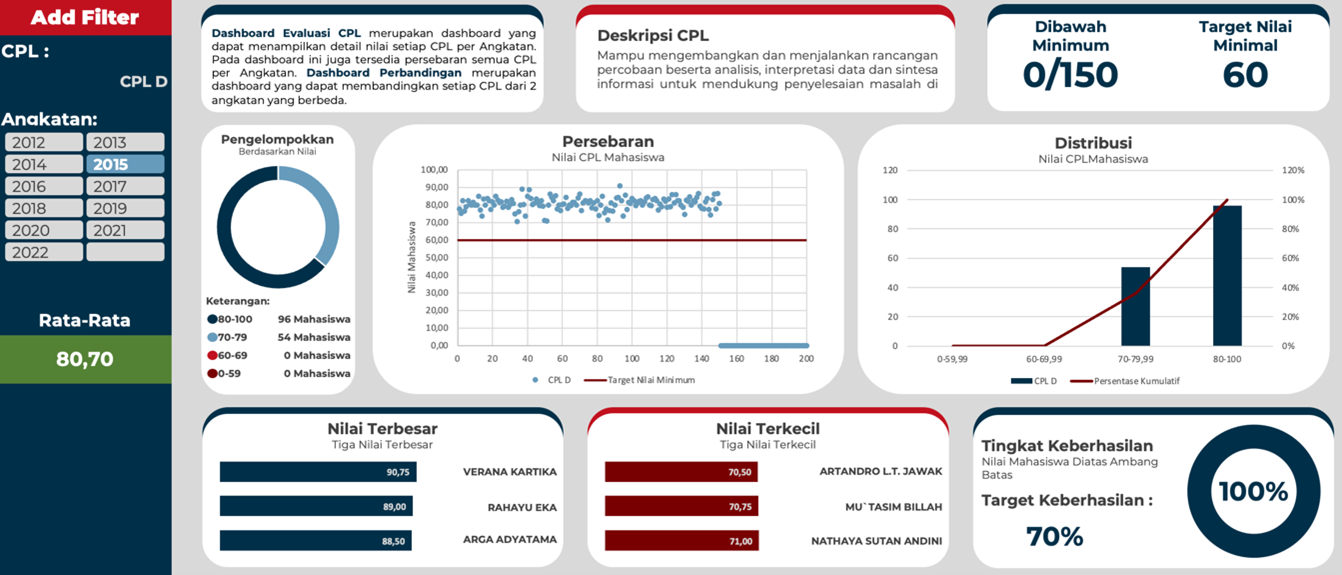
Figure 3. CPL D Class of 2015
Evaluation of CPL Class of 2016 MK Computer Simulation
2020/2021 (Evaluation Report Document)
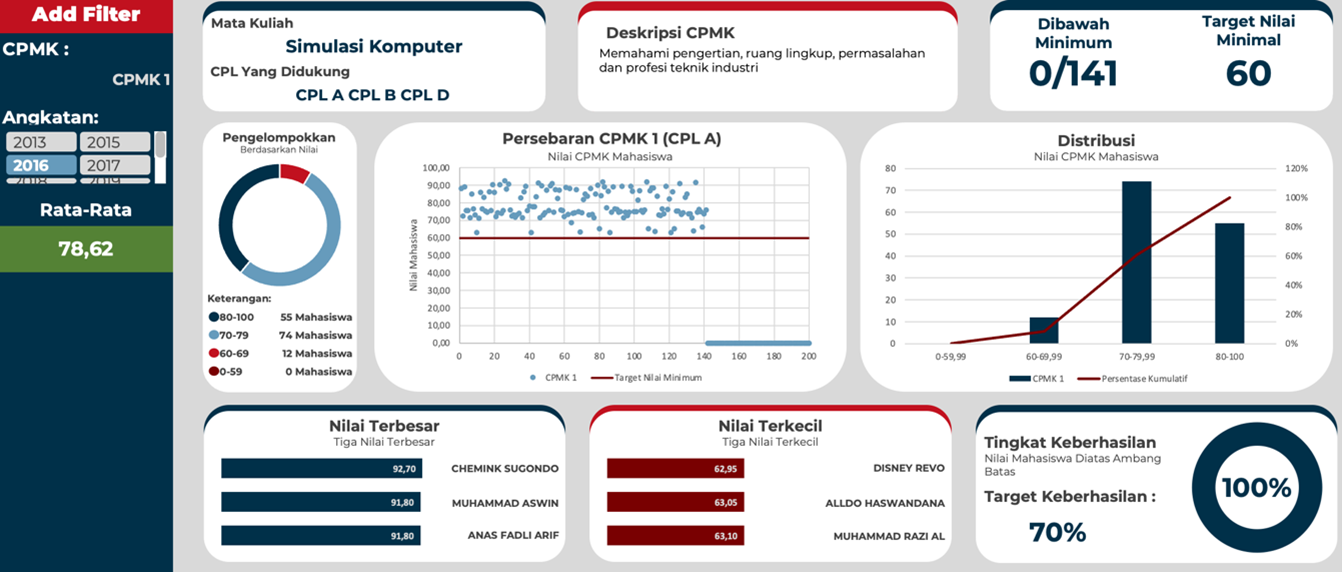
Figure 1. CPMK 1 Class of 2016 in Computer Simulation MK
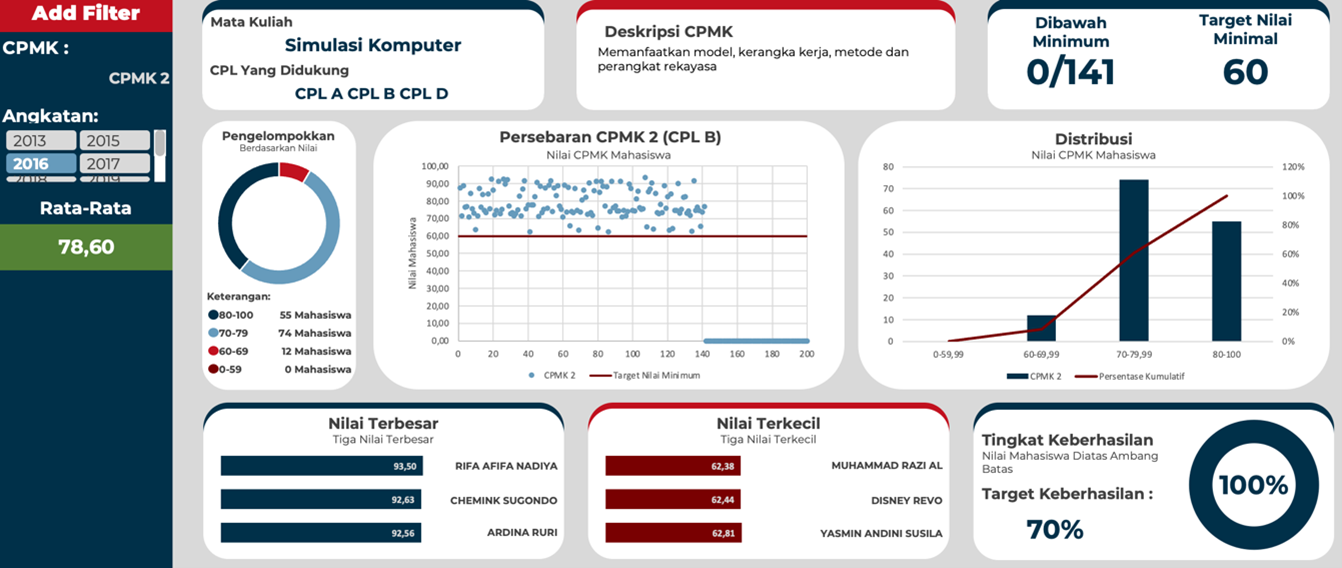
Figure 2. CPMK 2 Class of 2016 in Computer Simulation MK
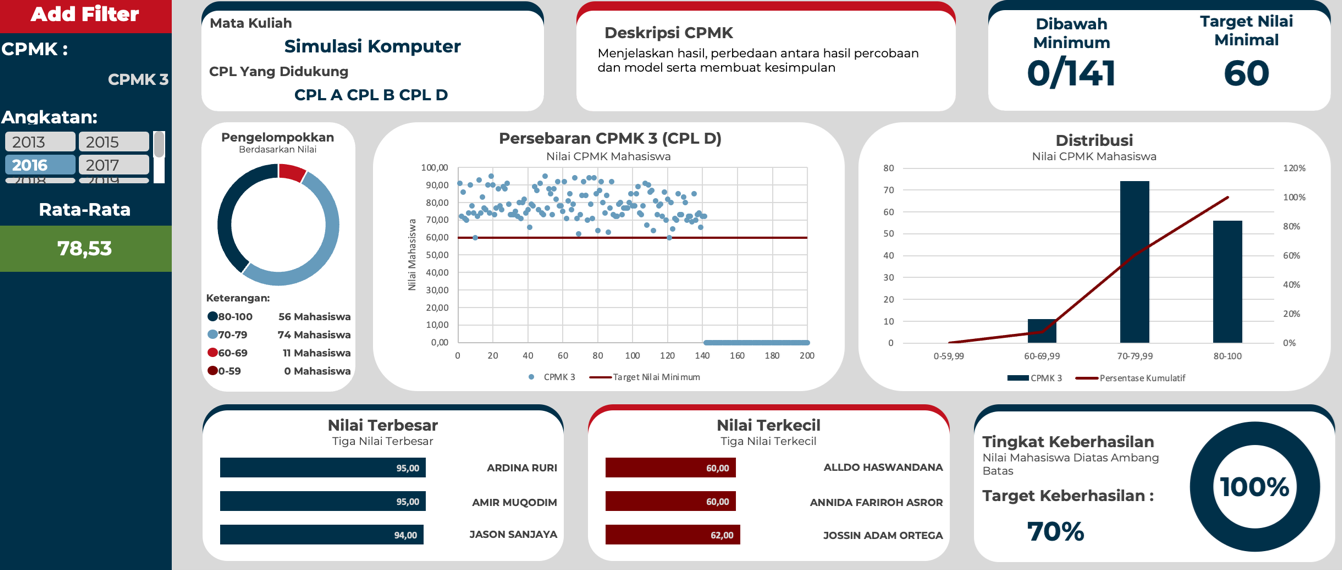
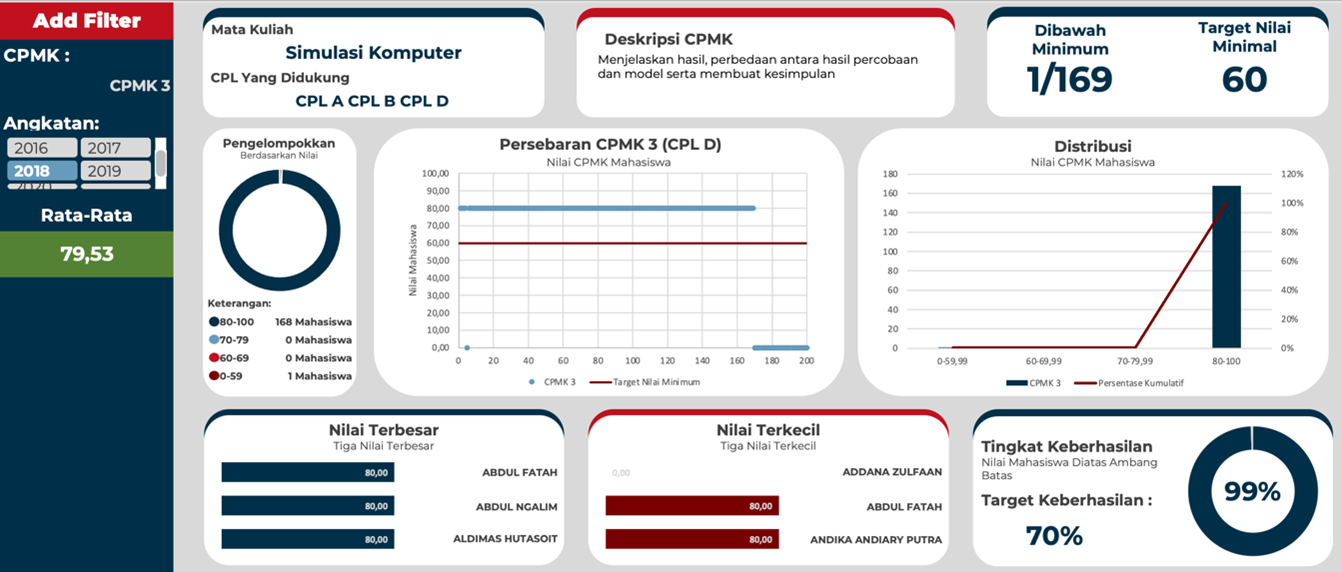
Figure 3. CPMK 3 Class of 2016 in Computer Simulation MK
Evaluation of CPL Class of 2017 MK Computer Simulation
2021/2022 (Evaluation Report Document)
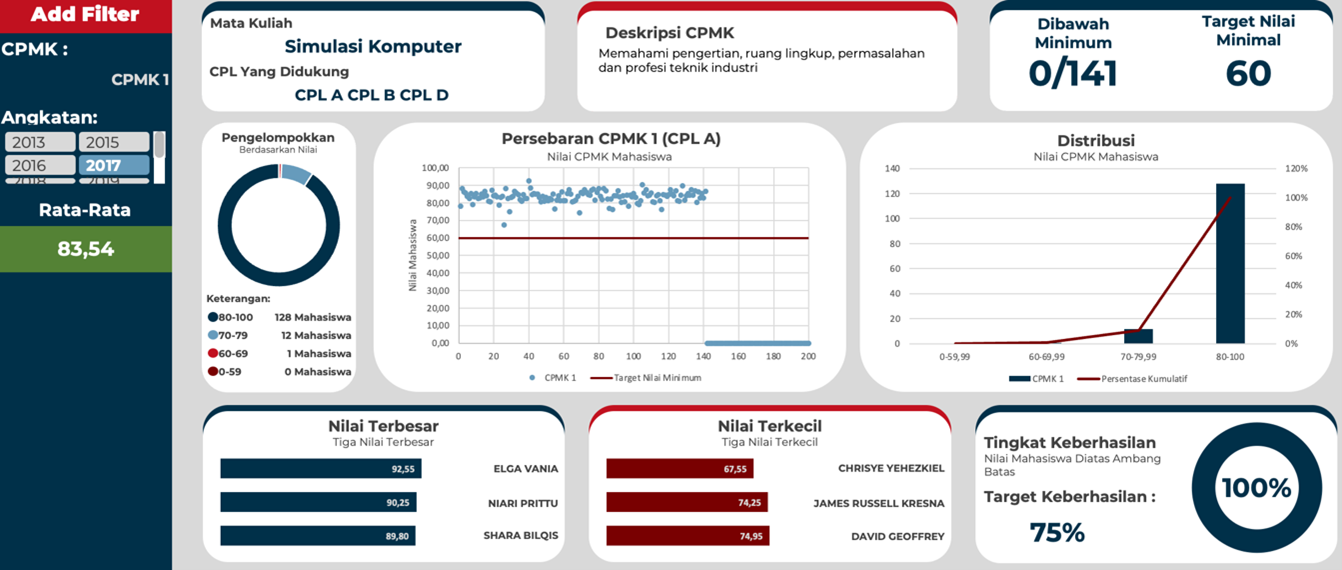
Figure 1. CPMK 1 Class of 2017 in Computer Simulation MK
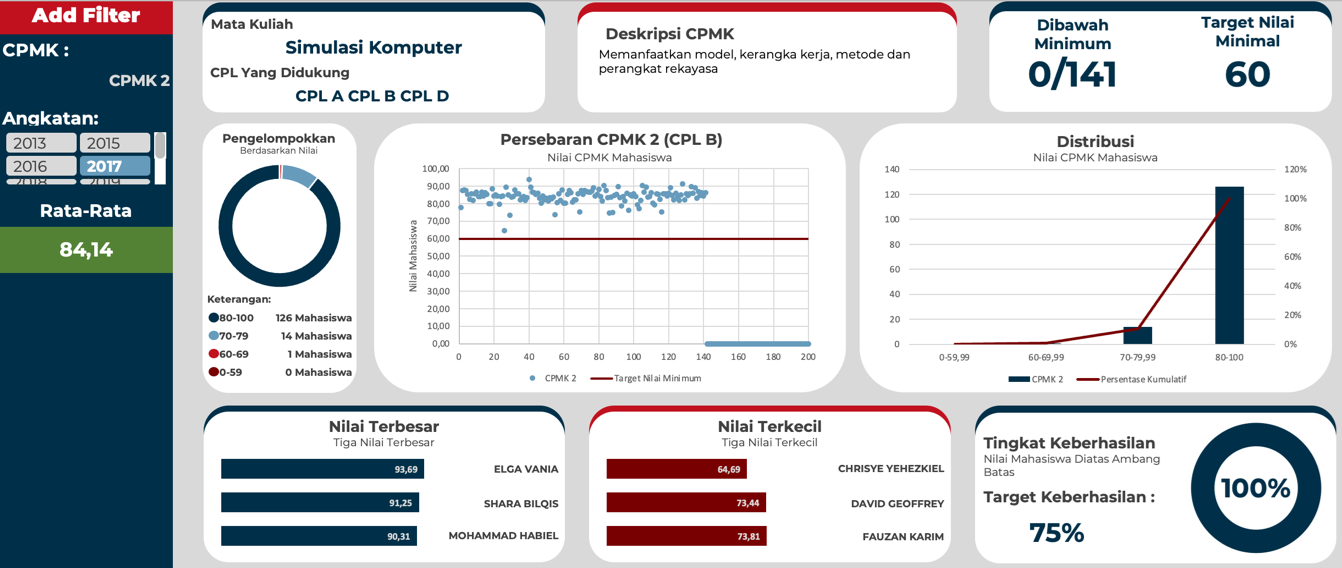
Figure 2. CPMK 2 Class of 2017 in Computer Simulation MK
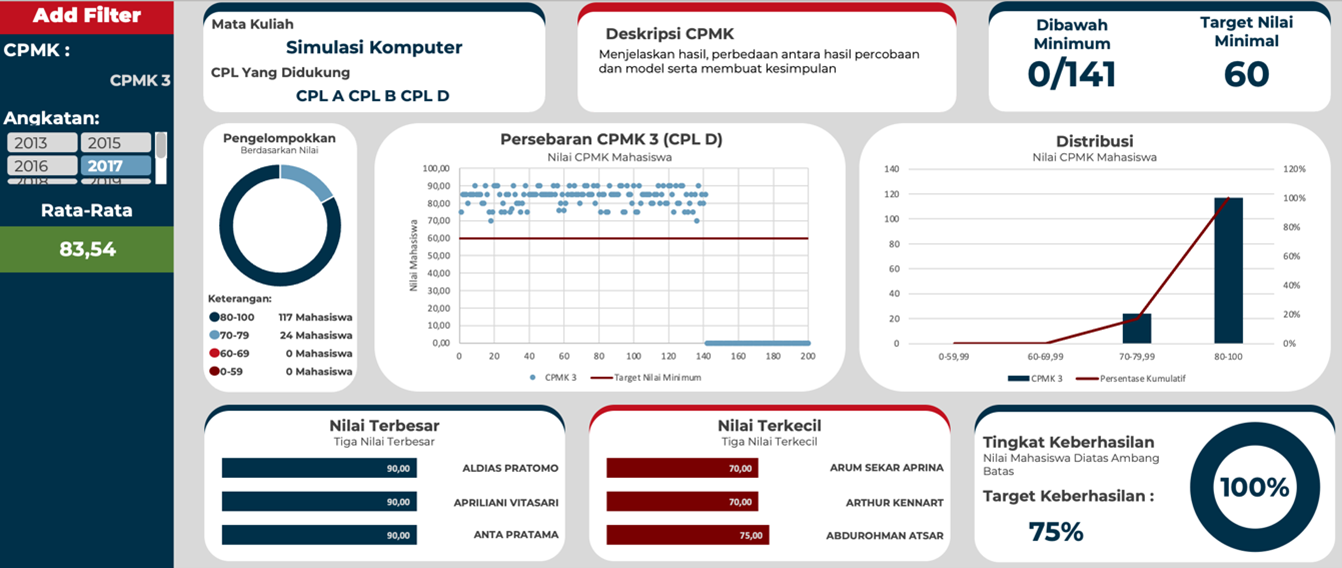
Figure 3. CPMK 3 Class of 2017 in Computer Simulation MK
Evaluation of CPL Class of 2018 MK Computer Simulation
Year 2022/2023 (Evaluation Report Document)
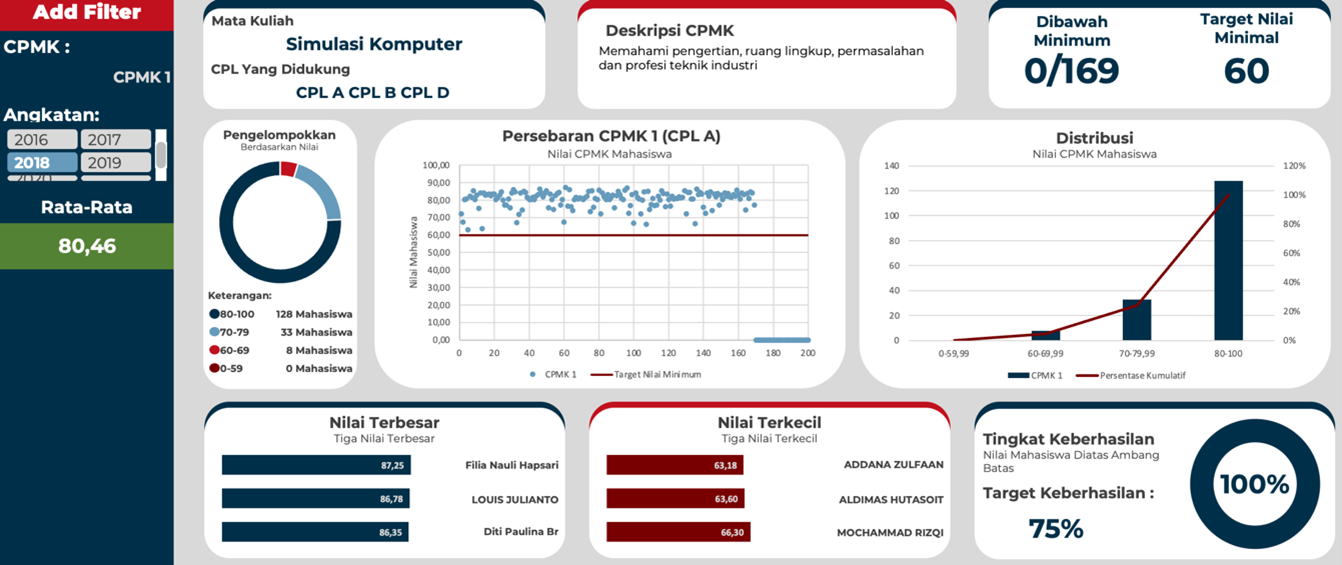
Figure 1. CPMK 1 Class of 2018 in Computer Simulation MK
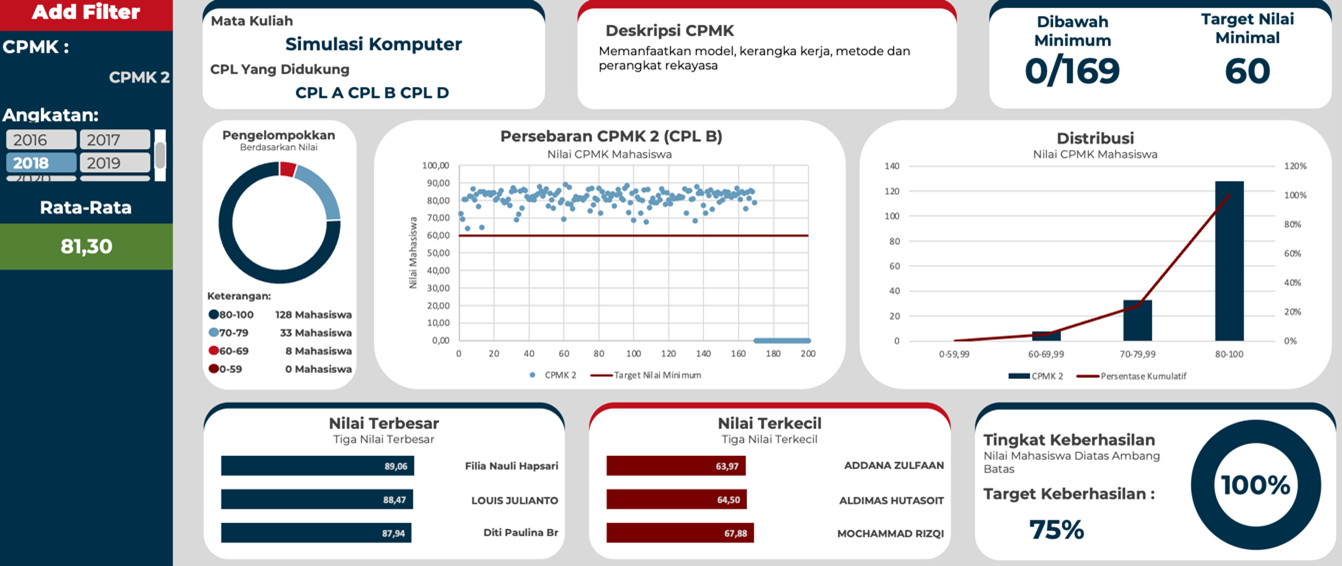
Figure 2. CPMK 2 Class of 2018 in Computer Simulation MK